Hackers hit supermarket refrigeration in Belgium, Sweden, Estonia and the Netherlands
It is the second wave of attacks in three weeks, after incidents in France. No suspects have been identified, but food security is not currently threatened, says the EU's food commissioner.
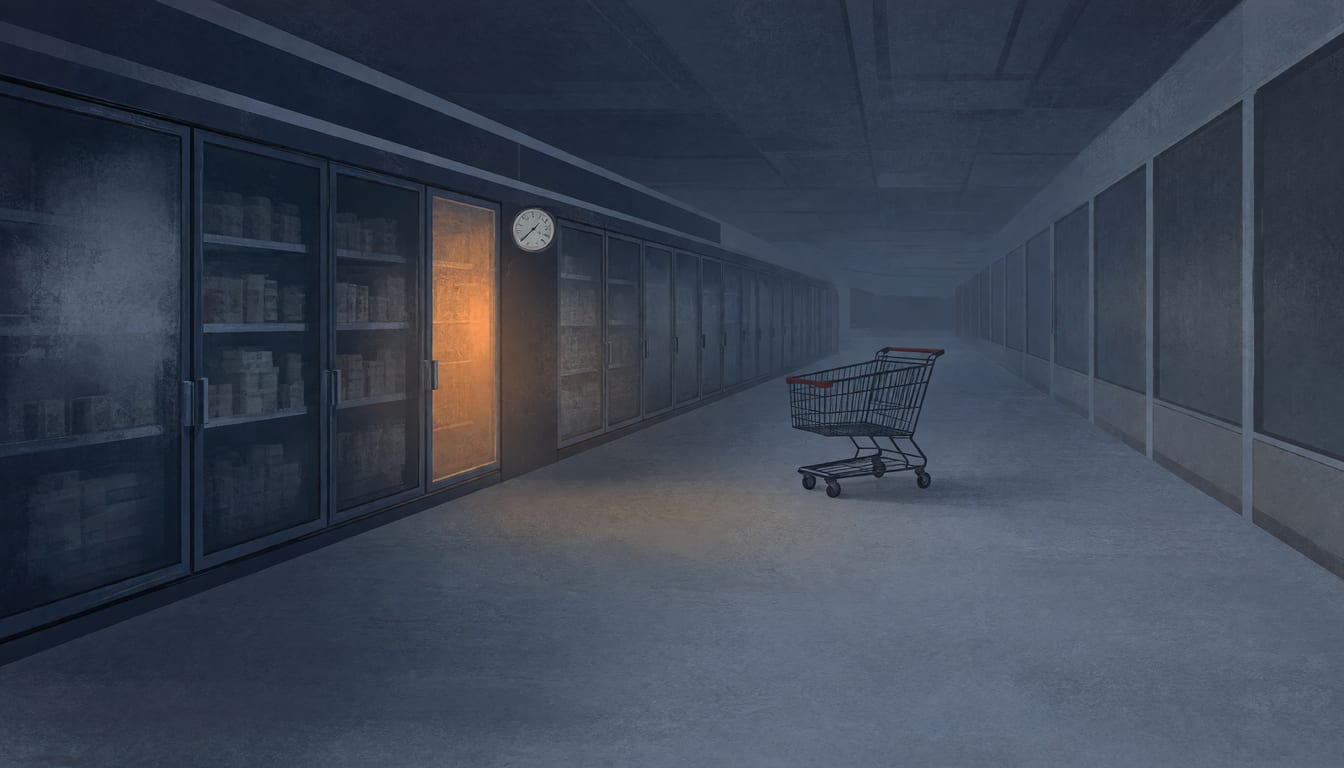
Hackers again sabotaged the refrigeration systems of supermarkets across Europe on Monday 2 November 2026, three weeks after similar incidents in France. Authorities in the affected countries have not identified any suspects. The French cybersecurity agency CERT-FR had warned in an alert on 12 October 2026 that refrigeration controllers connected to the internet are vulnerable to such attacks.
EU Agriculture and Food Commissioner Christophe Hansen said the repetition of the attacks is extremely concerning and called them a deliberate attempt to disrupt the food supply chain and undermine consumer confidence. He said this warning should be taken seriously. At the same time, he stated that food security in Europe is not currently threatened. What is very real, in his words, is the resulting food waste and its consequences for businesses.
In Belgium, at least 76 shops were hit, according to figures reported by the newspaper HLN. They include about 40 Delhaize stores, 15 Carrefour shops, about 15 Intermarché branches, about 5 Spar shops and the Ikea store in Bergen. Bernard Quintin, the Belgian interior minister, said the refrigeration problems at dozens of shops cause no general supply problems, because the distribution centres were not hit. He said the exact causes remain unclear, that no scenario is excluded, not even a cyberattack, and that the federal prosecutor's office has opened an investigation.
In Sweden, Coop reported fridge and freezer problems at six of its roughly 800 stores, in Gävle and Sundsvall, and threw away the affected food. Attackers in Estonia gained access to a computer controlling a supermarket's refrigeration system and raised the temperature to 50°C. Jann Mutso, of the controller maker Kitman Coldtech, said the problem was dealt with within minutes and caused no significant damage. The supermarket chain Selver confirmed that one of its outlets was affected. In the Netherlands, at least 17 smaller shops and companies were hit, according to reports.
Sabcobel chief executive Stephan Moelans said Belgian chains including Delhaize, Carrefour, Lidl and Aldi have instructed store operators to tighten internet connection security since the October cyberattack in France. A European Commission spokesperson said the EU has various tools at its disposal and will keep working with member states. Such attacks, the spokesperson said, can disrupt citizens' daily lives.