Hackers hit supermarket fridges across Europe again
The second attack in three weeks hit stores in France, Belgium, Sweden and the Netherlands. Intermarché's chief says France alone faces losses of tens of millions of euros in a day.
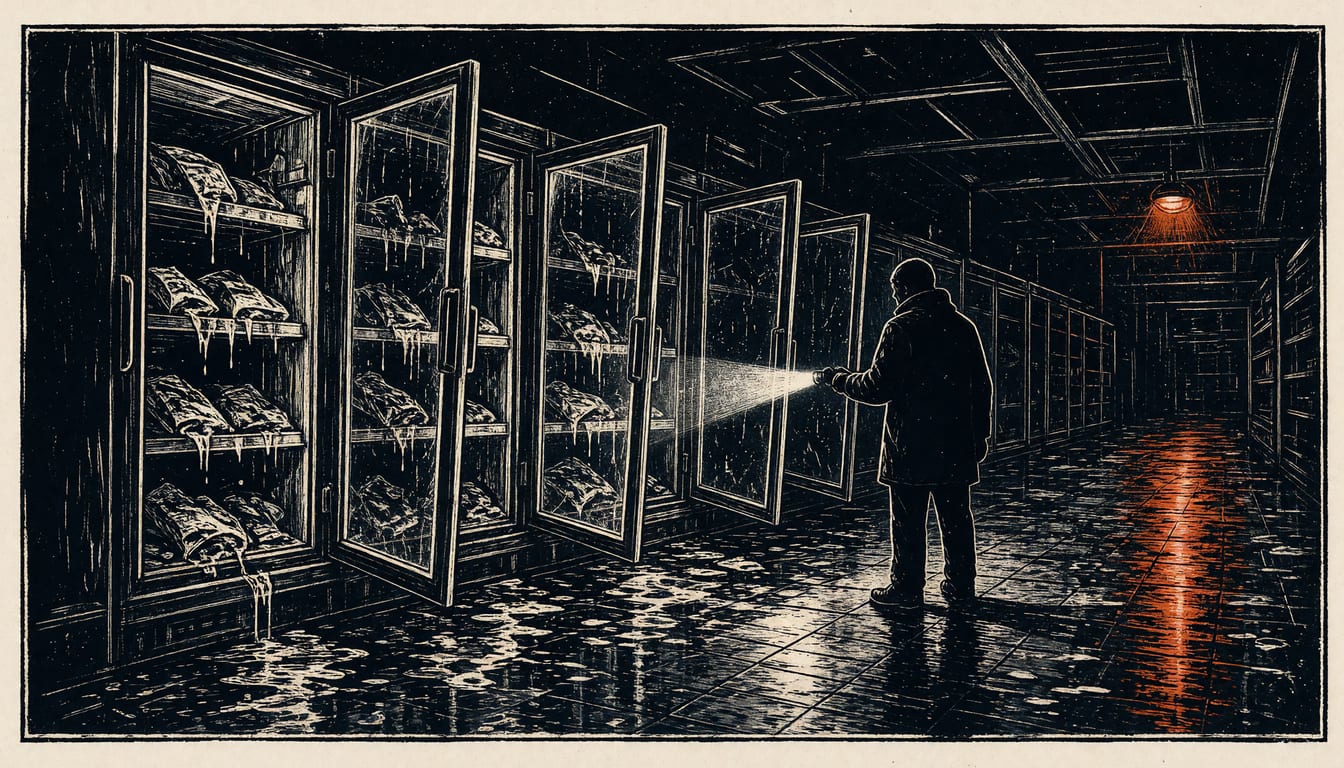
Hackers shut down refrigeration systems at supermarkets across Europe on Monday 2 November. It is the second such attack in three weeks, and no authority has named anyone responsible. Intermarché chief Thierry Cotillard said the damage would cost tens of millions of euros in France in a single day, according to Reuters.
EU Agriculture and Food Commissioner Christophe Hansen called the repeat attacks a deliberate attempt to disrupt the food supply chain and shake consumer confidence. He said the warning should be taken seriously. He added that Europe's food security is not threatened for now, but the waste and the cost to businesses are real.
In Sweden, Coop reported fridge and freezer failures at six of its roughly 800 stores, and the food there had to be thrown away. The affected stores stand in Gävle and Sundsvall. ICA merchant Pontus Nilsson in Sjöbo, whose store runs on Danfoss systems, described goods worth several hundred thousand kronor destroyed. He called it devastation unlike anything he had seen.
At least 76 Belgian establishments were hit: about 40 Delhaize, 15 Carrefour, about 15 Intermarché, about 5 Spar and the Ikea store in Bergen. In the Netherlands, reports put at least 17 smaller shops and companies among the victims. Belgian Interior Minister Bernard Quintin said the cooling problems cause no general supply problems, because the distribution centres were not hit.
Belgian Interior Minister Bernard Quintin said the exact causes remain to be established, no scenario is excluded, not even a cyberattack, and the federal prosecutor's office opened an investigation. A European Commission spokesperson said the EU has various tools at its disposal to manage such incidents and will keep working with member states. The spokesperson said the case shows how cyberattacks can disrupt services, hit companies and touch the daily lives of citizens.