Opinion
Nuclear power should set its own price, not carry the price of gas
Slovakia and France want European electricity pricing reformed, and they are right. When your reactors are cheaper than everyone's gas, your bill should show it.
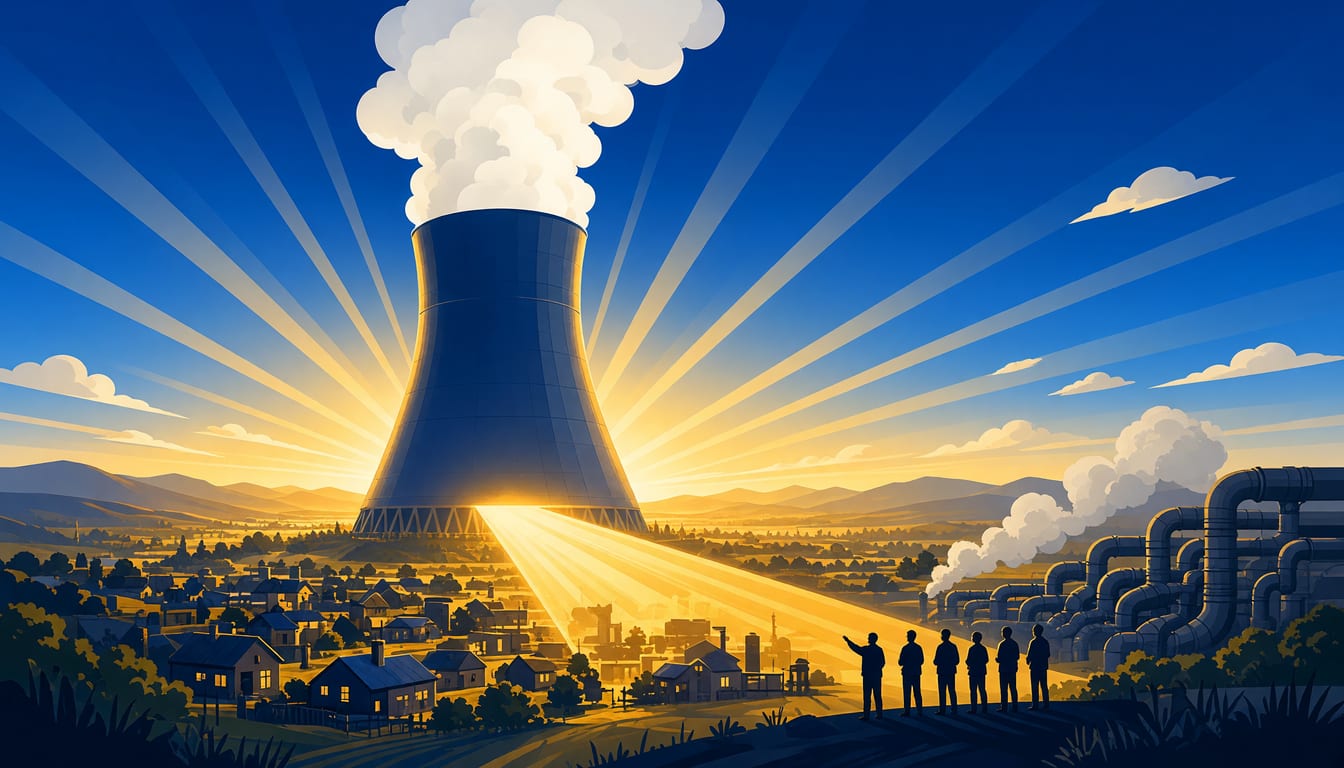
Slovakia lights its homes with nuclear reactors, and pays as if it burned gas. That is the rule we live under, and this week two governments finally said so out loud. In Paris, at his first bilateral meeting with Emmanuel Macron, Slovak President Peter Pellegrini put it plainly: Slovakia does not depend on gas to make electricity, so he calls it illogical that its prices rise with the gas price. Slovakia and France now want a common fix to European electricity pricing, and the first building block is already on the table: cooperation on nuclear fuel, where France could become a partner for Slovakia. Two nuclear-heavy countries, one demand. You should hear it, because your electricity bill is the evidence.
The rule itself is what holds it back. Both governments now want European price formation reformed, so that it no longer depends on the price of expensive natural gas. So the cheapest electrons in the Union carry the cost of the most expensive fuel. Pellegrini said after the meeting that Slovakia cannot turn its nuclear advantage into lower bills for industry and households. By his count, Slovakia and France are among the world leaders in nuclear electricity, and in proportion to total production Slovakia has already overtaken France. The defenders of the rule say one European price is efficient and each country can hedge on its own. That answer protects the rule, not the citizen. When the price everywhere follows gas, a country with no gas plants has nothing to hedge with, only a bill it cannot escape. A rule that erases the one advantage a member state has built over decades is a rule worth rewriting.
Reform the price rule now, and that nuclear advantage lands in your bill.
Picture yourself ten years from now. Slovakia's new reactor, supplied by Westinghouse, opens room for French companies to deliver components, fuel and know-how, even to work on reusing spent fuel. A young European nuclear supply chain, inside the Union, instead of imports from far away. And underneath it, the advantage those two governments fought for this week finally shows up in the price you pay, feeding the factories where you will work and the apartments where you will live. France is already Slovakia's eighth trading market, with French firms employing more than 35,000 people there. Pellegrini even named the next step: French nuclear fuel for Slovakia. This is what a federal Europe looks like when it starts small and builds.
The call now goes to the European Commission and the energy ministers: act on the reform of electricity price formation that Slovakia and France are pushing, and act while their united position is on the table. The obstacle is no mystery. The way past it is already open. That is how Slovakia and France rewrite a rule in Brussels: not by waiting for the Commission to move first, but by making their joint position impossible to ignore. Five years from now, this decides whether your bill follows reactors or gas markets. So do not wait either. Write to your energy minister. Ask which side they stand on.